So, you’ve built a fantastic SaaS product. It solves a real problem, it’s sleek, and you’re ready for the world to see it. But how do you get it in front of the right people? The short answer is digital marketing.
This guide is your roadmap to understanding and using digital marketing to grow your SaaS business. We’ll break down the essentials without the confusing tech-speak. You'll learn how to find your customers, what to say to them, and how to turn them into loyal fans. Plus, we’ll provide plenty of real-world stories and actionable tips to help you every step of the way.
Why Digital Marketing for SaaS is Different
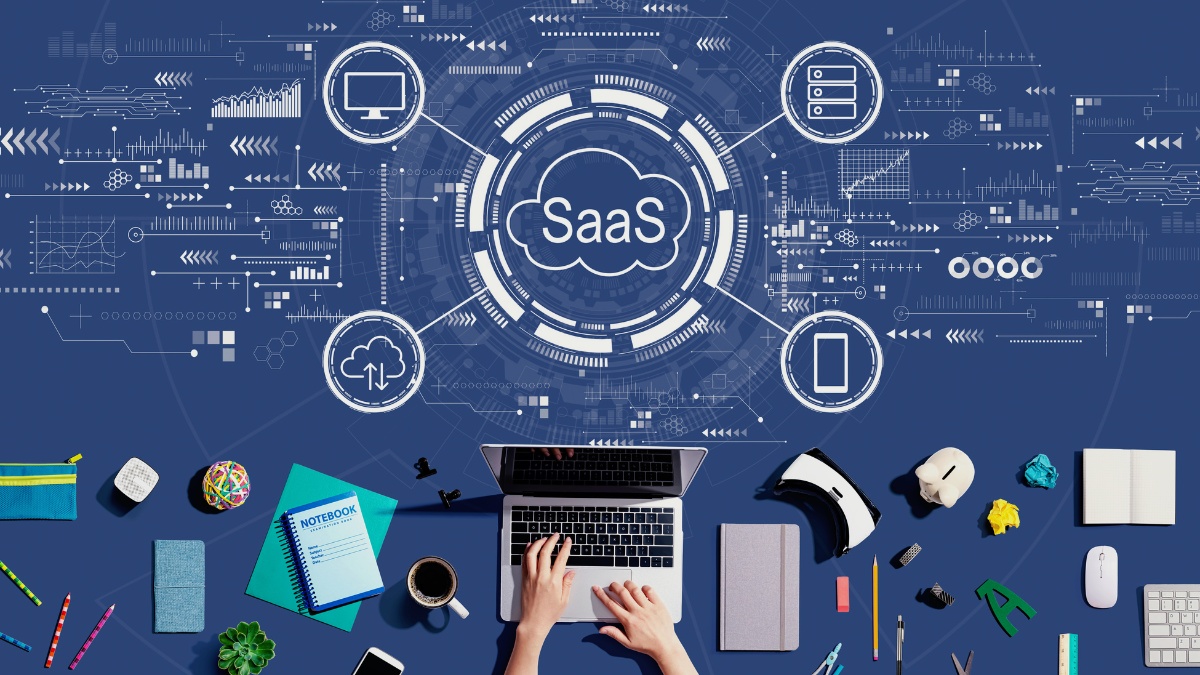
Selling software as a service isn't like selling a pair of shoes. With SaaS, you're not just making a one-time sale; you're building a long-term relationship. Customers pay a recurring fee, which means you need to keep them happy and engaged month after month.
Think of it like a gym membership. The gym doesn't just sign you up and forget about you. They offer classes, send tips, and build a community to make sure you keep coming back. SaaS marketing works the same way. Your goal is to attract new users, but it’s just as important—maybe even more so—to keep them subscribed.
Here's a real-world example: Consider Slack, the widely used team collaboration tool. Slack didn’t explode in popularity overnight by shouting the loudest. Instead, they focused on educating workplaces, providing helpful guides and webinars, and building resources that made teams want to try their service—and once people were in, Slack worked hard to deliver constant value so users would stay.
Understanding Your SaaS Customer's Journey

Before you spend a dime on marketing, you need to understand how customers interact with your product. This path—called the customer journey—has three main stages for SaaS:
-
Awareness: A potential customer realizes they have a problem. For instance, a small business owner is drowning in paperwork, and starts searching for a tool to help manage invoices.
-
Consideration: They have a shortlist of options, your software included. Now they’re comparing features, checking prices, and reading user reviews.
-
Decision: Ready to choose, they might sign up for a free trial or a product demo before making a commitment.
Actionable tip: Map out your ideal customer’s journey on a whiteboard. Think about what they’re feeling, searching for, or worried about at every stage. This exercise will help you shape your marketing plan, your website, and even your product features.
Case study: FreshBooks, an accounting SaaS for small businesses, nails this journey by offering free educational resources for first-timers (awareness), comparing itself clearly against competitors like QuickBooks (consideration), and making it super-easy to sign up for a trial or book a demo (decision).
Key Digital Marketing Strategies for Your SaaS

Let’s dive into the core strategies you can use to attract and retain customers. You don't have to do everything at once. Pick a couple that fit your strengths and grow from there.
1. Content Marketing: Your SaaS Superpower
Content marketing is about creating and sharing helpful information to attract your ideal customers. Instead of pushing for a sale, you offer value upfront. Over time, this builds trust and positions you as an expert.
Why it works: Your prospects are searching for help solving real business problems. Be the brand that provides the answers, and you'll be top of mind when they're ready to buy.
How to get started:
-
Blog Posts: Answer your customers' questions with articles like "5 Ways to Improve Team Productivity" if you sell project management software. Use friendly language and clear examples.
-
Guides and eBooks: Create resources such as "The Ultimate Guide to Project Planning for Startups." Offer these in exchange for an email address to start building your list.
-
Case Studies: Share real stories. For example, “How Acme Tech Cut Their Onboarding Time by 40% Using [Your SaaS].” These provide proof and inspire your readers.
Actionable tips:
-
Use visuals like screenshots or infographics to make your content easy to digest.
-
Update your content regularly so it doesn’t get stale.
-
Answer common questions—start with what new customers ask during sales calls.
Case study: HubSpot became a leading name in SaaS by publishing free, high-quality marketing resources. Their blog, guides, and free tools attract millions of visitors each month, all potential customers for their products.
2. SEO: Helping Customers Find You on Google
Search Engine Optimization (SEO) makes your website more visible on search engines like Google. When someone searches "easy invoice software for freelancers," you want your SaaS to show up on the first page.
How to get started:
-
Keyword Research: Find out what your audience is searching for using Google Keyword Planner or Ubersuggest. Focus on longer, more specific “long-tail keywords”—for example, “project management tools for education startups.”
-
On-Page SEO: Make sure your pages use relevant keywords naturally. Keep your site speedy and mobile-friendly, because Google pays attention to these factors!
-
Link Building: Build relationships in your industry by guest posting, collaborating on content, or sharing data others will want to reference. This helps you earn valuable backlinks.
Actionable tips:
-
Add FAQ sections to your key web pages using customer questions.
-
Test your site’s speed and fix slow-loading pages using free tools like Google PageSpeed Insights.
Case study: Calendly, a scheduling SaaS, grew their early user base with SEO by writing targeted blogs about scheduling pain points, then optimizing those posts to rank for practical phrases like "best meeting scheduler."
3. PPC Ads: Getting in Front of Customers Fast
Pay-Per-Click (PPC) advertising means paying for your ad to appear at the top of search results or across social platforms—you only pay when someone clicks.
Why use PPC? It’s ideal if you want to reach customers actively looking for solutions right now. It also gives you immediate feedback on message and keyword performance.
How to get started:
-
Google Ads: Target high-intent keywords like “compare email marketing software” or “free trial” keywords.
-
Retargeting: Use retargeting ads to reach people who visited your site but didn’t sign up.
-
Social Ads: Facebook and LinkedIn offer audience targeting based on job role, company size, and interests—perfect for B2B SaaS.
Actionable tips:
-
Use clear, benefit-driven headlines in your ads: “Save 5 Hours a Week on Invoicing – Try Free!”
-
Always send PPC traffic to a dedicated landing page with one clear call-to-action, not your homepage.
-
Start small, measure everything, and increase budget only on what proves effective.
Case study: Monday.com used PPC ads and engaging video content to drive sign-ups and brand awareness. Their targeted ads highlight key features and benefits, leading to explosive growth.
4. Email Marketing: Building Lasting Relationships
Email is essential for keeping your SaaS top-of-mind and nurturing leads until they’re ready to buy—or buy again.
How to get started:
-
Welcome Emails: Create automated welcome series highlighting the main benefits and how-tos.
-
Onboarding Sequences: Send a set of emails helping users get the most from their free trial—checklists, how-to videos, and feature highlights keep people engaged.
-
Segment Your List: Group your emails by user type (free trial, customer, inactive) so everyone gets info relevant to their stage.
-
Feedback and Win-back Campaigns: Ask for feedback or entice former customers to return with special offers or new features.
Actionable tips:
-
Personalize your emails. Use first names and mention specific features or actions.
-
Include clear calls-to-action in every email.
-
Don’t overwhelm—one helpful email per week is plenty for most audiences.
Case study: Grammarly's onboarding emails help new users set up, explore features, and find value. Their targeted follow-up emails check in if someone stops using the service—resulting in less churn and more paying users.
5. Social Media: Finding Your Community
Social media helps you connect, build credibility, and engage with users. You don’t need to be everywhere—just where your potential customers are.
How to get started:
-
LinkedIn: Great for B2B SaaS—share case studies, product updates, and helpful tips. Join groups where your users hang out and answer questions.
-
Twitter (X): Use for customer support, live feedback, and industry conversations. Keep it friendly and human.
-
Facebook/Instagram: Better for visually rich or B2C SaaS products. Share customer testimonials, demos, or how-to clips.
Actionable tips:
-
Reply to comments and questions promptly.
-
Use polls and questions to start conversations and learn about your audience’s needs.
-
Share user-generated content, like customer stories or product tips.
Case study: Buffer, a social media management SaaS, built their brand by openly sharing their progress and challenges on social media. This transparency grew a loyal, engaged community.
6. Influencer Marketing: Leveraging Trusted Voices
Influencer marketing means partnering with people who already have the trust and attention of your target audience. Their endorsements can boost credibility and reach.
How to get started:
-
Find Micro-Influencers: Look for thought leaders, bloggers, or YouTube creators in your niche.
-
Offer Free Access: Let influencers try your software and share authentic reviews.
-
Collaborate on Content: Host joint webinars, write guest posts, or appear on podcasts.
Actionable tips:
-
Choose partners who align with your values and have active, engaged audiences—not just big follower counts.
-
Track results: Did their mention boost your trial sign-ups or traffic?
Case study: Notion, a productivity SaaS, worked with YouTubers and Twitter influencers in the productivity space. They provided unique content and tutorials, helping the software go viral with new users.
7. Affiliate Programs: Grow Through Partnerships
Affiliate marketing is when you partner with bloggers, businesses, or creators. They promote your SaaS and earn a commission for every lead or sign-up they generate.
How to get started:
-
Create an Affiliate Program: Use tools like PartnerStack or Refersion to build and track your affiliates.
-
Clear Rewards: Offer competitive commissions. Make terms transparent and easy to understand.
-
Supply Resources: Provide banners, content, and example blog posts to help affiliates promote you effectively.
Actionable tips:
-
Regularly communicate with your affiliates and recognize your top performers.
-
Track conversions closely to ensure your program is delivering real value.
Case study: Shopify scaled rapidly thanks to their robust affiliate network. Influencers, bloggers, and agencies earned rewards for referring new users, multiplying their growth.
Extra Insights and Advanced Tips
-
Free Trials & Freemium Models: Lower the barrier for users to experience your software, but plan your upgrade path clearly—remind users of the added benefits behind the paywall.
-
Customer Success: Market not only to prospects but to your current customers—educate and delight them, turning them into advocates.
-
Webinars and Live Demos: Host regular live sessions to showcase features, answer questions, and help new users succeed.
Frequently Asked Questions (FAQ)
How much should I spend on digital marketing as a SaaS company?
Start with a modest budget—enough to test a few channels and see what works. Invest more as you collect data and find your most effective strategies. Always measure returns closely!
Should I focus on all the strategies listed, or pick just a couple?
Begin with one or two methods that fit your strengths and audience. As you see results, expand gradually. Doing a few things well is better than doing many things poorly.
What’s the best way to keep users from canceling?
Engage your customers! Send helpful onboarding emails, offer tips, respond to questions quickly, and make it easy for users to get real value from your service.
How long does it take to see results?
Some tactics, like PPC, can bring in traffic almost instantly. Others, like SEO and content marketing, take a few months to build momentum. Consistency is key.
What if my audience isn’t on social media?
Focus efforts on where your users actually spend time. This may be niche forums, LinkedIn groups, industry newsletters, or even offline gatherings.
Final Thoughts
Digital marketing for SaaS is a marathon, not a sprint. It's about providing value, building trust, and creating lasting relationships with your customers at every stage of their journey. By focusing on your users, experimenting with the strategies above, and learning from real-world examples, you’ll set your business up for steady, sustainable growth.
And remember: every SaaS giant started where you are right now—by taking the first step!

Steven Alex is a passionate blogger with over 10 years of experience driving online growth and visibility.