Starting a laundromat might seem old-fashioned in our digital world, but here's the thing – people will always need clean clothes. Whether you're looking for a semi-passive income stream or want to build a traditional brick-and-mortar business, laundromats offer unique advantages that many entrepreneurs overlook.
This guide walks you through everything you need to know about starting your own laundromat business. From initial market research to opening day and beyond, we'll cover the practical steps, real costs, and insider tips that can make the difference between success and struggle.
By the end of this article, you'll understand exactly what it takes to enter this $5 billion industry and how to position yourself for long-term profitability.
Why Consider a Laundromat Business?
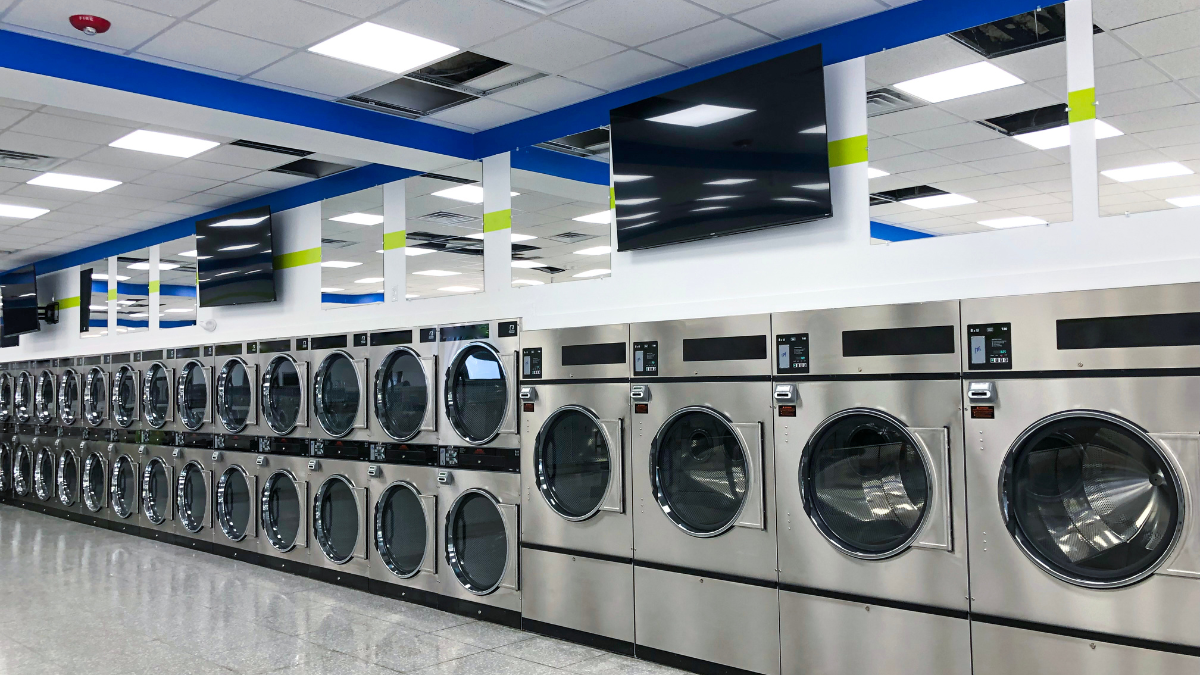
The laundromat industry has stayed remarkably stable over decades. According to the Coin Laundry Association, there are approximately 29,000 laundromats in the United States, generating over $5 billion in annual revenue. Here's what makes this business attractive:
Recession-resistant income: People need clean clothes regardless of economic conditions. During tough times, more people actually use laundromats instead of buying new appliances.
Semi-passive operation: Once established, laundromats require less daily management than most retail businesses. Many successful owners visit their locations just a few times per week.
Cash flow positive: Unlike many businesses that tie up cash in inventory, laundromats generate immediate cash flow from day one.
Growing market demand: Urbanization, smaller living spaces, and busy lifestyles drive consistent demand for laundromat services.
Step 1: Conduct Thorough Market Research
Before you invest a single dollar, you need to understand your local market. This research phase can save you from costly mistakes down the road.
Analyze Your Competition
Drive around potential neighborhoods and document existing laundromats. Note their:
-
Operating hours
-
Equipment condition and variety
-
Pricing structure
-
Additional services (drop-off, dry cleaning, vending)
-
Cleanliness and atmosphere
-
Customer volume during different times
Pro tip: Visit competitors during peak hours (evenings and weekends) to gauge actual demand versus capacity.
Study Demographics
Your ideal customers typically include:
-
Renters in apartments without in-unit laundry
-
College students
-
Busy professionals who prefer drop-off services
-
Families with large laundry loads
Look for areas with:
-
High concentration of rental properties
-
Colleges or universities nearby
-
Young professionals and families
-
Limited parking for laundromat alternatives
Evaluate Local Regulations
Contact your city's business licensing department to understand:
-
Zoning requirements for laundromats
-
Water and sewer capacity restrictions
-
Environmental regulations for commercial washing
-
Building codes for renovation needs
Step 2: Choose the Perfect Location
Location makes or breaks a laundromat business. The best equipment won't save a poorly located store, while a great location can overcome minor operational challenges.
Key Location Factors
Visibility and accessibility: Your laundromat should be easy to spot from the street with clear signage opportunities. Ground-floor locations work best, with easy access for customers carrying heavy laundry baskets.
Parking availability: Customers need convenient parking, especially when carrying multiple loads. Aim for at least one parking space per two to three washing machines.
Population density: Look for areas with 1,000+ housing units within a one-mile radius. Higher density usually means more potential customers.
Competition distance: Ideally, locate at least one mile from existing laundromats. Closer placement works only if you can clearly differentiate your services.
Lease Negotiation Tips
When negotiating your lease:
-
Secure a long-term lease (10-15 years) with renewal options
-
Negotiate percentage rent based on gross sales after a base amount
-
Include provisions for necessary utility upgrades
-
Ensure the landlord allows 24/7 operation if desired
-
Get approval for exterior signage and any structural modifications
Real example: Sarah Chen found a 2,400 square foot space in Portland, Oregon for $18 per square foot annually. She negotiated a 12-year lease with two 5-year renewal options and a provision allowing the landlord to pay for electrical upgrades needed for her equipment.
Step 3: Understand Equipment and Setup Costs
Equipment represents the largest upfront investment in your laundromat. Understanding your options helps you make informed financial decisions.
New vs. Used Equipment
New equipment advantages:
-
Latest energy-efficient technology
-
Full manufacturer warranties
-
Uniform appearance and features
-
Higher customer satisfaction
Used equipment advantages:
-
40-60% cost savings
-
Faster payback period
-
Still reliable if properly maintained
-
Good option for testing market demand
Essential Equipment List
Washing machines: Plan for a mix of sizes
-
20-25 lb capacity: $3,000-$4,500 each
-
35-40 lb capacity: $4,500-$6,500 each
-
60-80 lb capacity: $8,000-$12,000 each
Dryers: Match dryer capacity to washers
-
30-35 lb capacity: $2,500-$3,500 each
-
45-50 lb capacity: $3,500-$4,500 each
Additional equipment:
-
Change machines: $2,000-$3,500
-
Soap vending machines: $1,500-$2,500
-
Security cameras: $2,000-$5,000
-
Seating and folding tables: $3,000-$5,000
Utility Requirements
Laundromats demand significant utilities:
-
Electrical: 220V-480V service, often requiring panel upgrades
-
Water: High-capacity lines with appropriate water pressure
-
Gas: Natural gas connections for dryers (more efficient than electric)
-
Sewer: Adequate drainage capacity for commercial washing loads
Budget $15,000-$30,000 for utility upgrades in most locations.
Step 4: Calculate Your Total Investment
Understanding the full financial picture prevents unpleasant surprises during the startup phase.
Typical Investment Breakdown
Equipment (new):
-
25 washers (mixed sizes): $100,000-$150,000
-
25 dryers: $75,000-$100,000
-
Support equipment: $15,000-$25,000
Facility costs:
-
Lease deposits and first year rent: $25,000-$45,000
-
Renovations and improvements: $20,000-$50,000
-
Utility installations: $15,000-$30,000
Other startup costs:
-
Business licenses and permits: $1,000-$3,000
-
Insurance (first year): $3,000-$6,000
-
Initial inventory and supplies: $2,000-$4,000
-
Marketing and signage: $5,000-$10,000
-
Working capital: $10,000-$20,000
Total investment range: $270,000-$445,000 for a new equipment laundromat.
With used equipment, you can reduce this to $150,000-$250,000.
Financing Options
SBA loans: Many laundromat purchases qualify for Small Business Administration loans with favorable terms. Expect 10-25% down payment requirements.
Equipment financing: Manufacturers and distributors often provide financing for equipment purchases with competitive rates.
Traditional bank loans: Local banks familiar with laundromat businesses may offer conventional commercial loans.
Seller financing: When buying an existing laundromat, some sellers offer financing terms as part of the sale.
Step 5: Navigate Legal and Operational Setup
Getting your legal and operational foundation right protects your investment and ensures smooth operations.
Business Structure and Licensing
Choose the appropriate business entity:
-
LLC: Provides liability protection with operational flexibility
-
Corporation: Better for multiple investors or expansion plans
-
Partnership: Works for two or more co-owners
Obtain necessary licenses:
-
General business license
-
Sales tax permit (for vending sales)
-
Wastewater discharge permits
-
Fire department approvals
-
Health department permits (if offering food/beverages)
Insurance Requirements
Essential insurance coverage includes:
-
General liability: Protects against customer injuries
-
Property insurance: Covers equipment and building improvements
-
Business interruption: Compensates for income loss during closures
-
Workers compensation: Required if you hire employees
Expect annual insurance costs of $3,000-$6,000 depending on coverage levels.
Payment Systems
Modern laundromats use various payment methods:
-
Coin operation: Traditional but requires frequent collection
-
Card systems: Rechargeable cards reduce coin handling
-
Mobile apps: Allow remote payment and monitoring
-
Hybrid systems: Combine multiple payment options
Card and mobile systems cost more upfront ($150-$300 per machine) but increase revenue and reduce cash management needs.
Step 6: Develop Your Marketing Strategy
Effective marketing builds customer loyalty and maximizes your revenue potential.
Grand Opening Strategy
Create buzz with a grand opening event:
-
Free wash days or discounted pricing
-
Local newspaper coverage and social media promotion
-
Partnerships with nearby businesses
-
Community group outreach
Success story: Mike Rodriguez in Austin, Texas offered free washing for the first three days after opening. The promotion cost $2,400 in lost revenue but generated over 300 new customers, with 40% becoming regular users.
Ongoing Marketing Tactics
Customer loyalty programs: Reward frequent customers with free washes after a certain number of paid loads.
Seasonal promotions: Back-to-school specials, winter comforter cleaning, spring cleaning campaigns.
Drop-off services: Wash-and-fold services can double your revenue per customer.
Community involvement: Sponsor local sports teams or participate in community events.
Digital presence: Maintain active Google My Business listing, basic website, and social media accounts.
Pricing Strategy
Research local competition but don't compete solely on price. Consider:
-
Peak vs. off-peak pricing
-
Bulk wash discounts for large loads
-
Premium pricing for newer, larger capacity machines
-
Additional service pricing (soap, fabric softener, extra rinse cycles)
Most successful laundromats price 10-20% above the lowest competitor while offering superior cleanliness and equipment.
Tips for Long-Term Success
Maintain Excellent Customer Experience
Cleanliness is crucial: Schedule daily cleaning routines and deep cleaning weekly. A clean laundromat commands higher prices and customer loyalty.
Keep equipment running: Establish relationships with reliable repair technicians. Broken machines frustrate customers and reduce revenue.
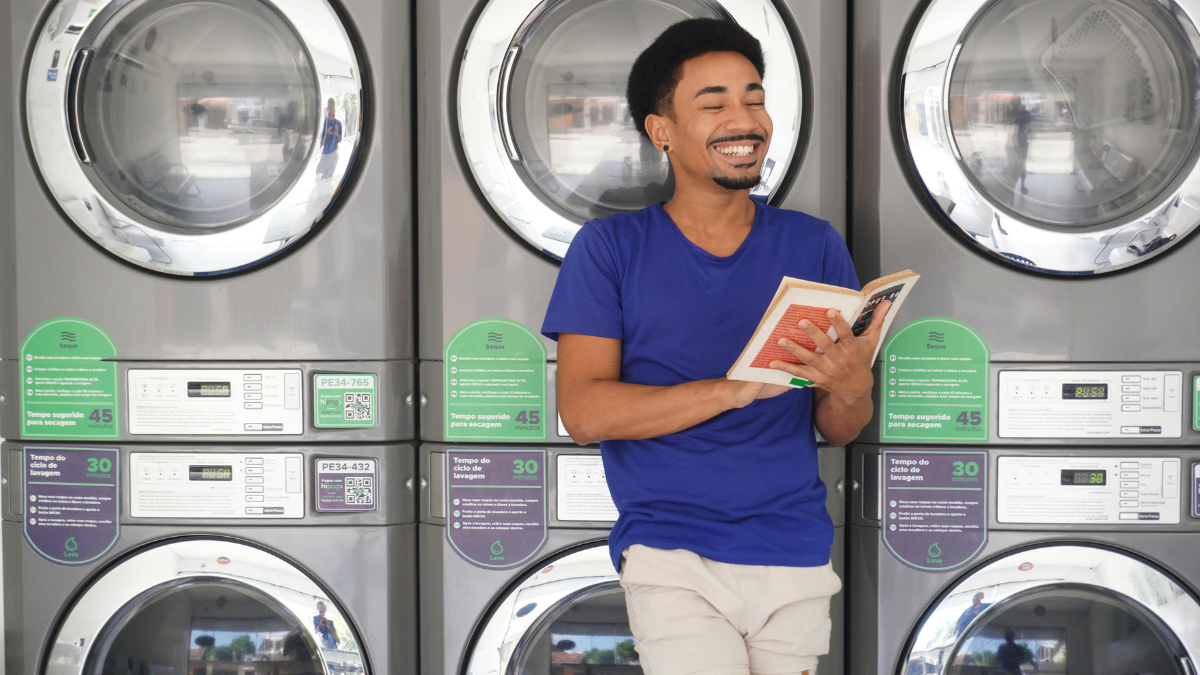
Create a welcoming atmosphere: Good lighting, comfortable seating, and entertainment (TV, magazines, WiFi) encourage repeat visits.
Optimize Your Operations
Monitor peak hours: Adjust staffing and maintenance schedules around busy periods (typically evenings and weekends).
Track machine performance: Keep detailed records of each machine's revenue and maintenance needs to identify top performers and problem units.
Manage utilities efficiently: Install programmable thermostats, LED lighting, and energy-efficient equipment to control operating costs.
Expand Revenue Streams
Drop-off services: Wash-and-fold services typically charge $1.50-$2.50 per pound, significantly increasing profit margins.
Vending operations: Snacks, beverages, and laundry supplies provide additional income with minimal effort.
Additional services: Dry cleaning pickup, shoe repair, or tailoring services can differentiate your business.
Frequently Asked Questions
How much money can I make owning a laundromat?
Net profit margins typically range from 20-35% of gross revenue. A well-operated laundromat generating $300,000 annually might net $60,000-$105,000 before owner salary. Factors affecting profitability include location, equipment efficiency, and operational management.
How hands-on is laundromat ownership?
Most successful laundromat owners spend 10-20 hours per week on their business. Daily tasks include money collection, basic maintenance, and cleaning. Some owners hire attendants for daily operations and visit only for management duties.
What are the biggest challenges in running a laundromat?
Common challenges include:
-
Equipment breakdowns requiring prompt repair
-
Theft and vandalism, especially in unsupervised locations
-
Competition from apartment complex laundries
-
Rising utility costs affecting profit margins
-
Customer complaints about machine performance
Is it better to buy existing or start new?
Buying existing laundromats offers immediate cash flow but may include outdated equipment and established problems. Starting new allows you to choose optimal locations and modern equipment but requires longer to build customer base. Both approaches can succeed with proper planning.
How do I finance a laundromat purchase?
SBA loans are popular for laundromat purchases, typically requiring 10-25% down payment. Equipment financing through distributors offers another option. Many buyers use combination financing: SBA loan for real estate/renovation plus equipment financing for machines.
What should I look for when buying an existing laundromat?
Key evaluation factors:
-
Financial records showing consistent profitability
-
Equipment age and maintenance history
-
Lease terms and renewal options
-
Local competition and market changes
-
Facility condition and needed improvements
-
Customer base stability and growth potential
Conclusion
Starting a laundromat business requires significant upfront investment and careful planning, but it can provide steady, semi-passive income for years to come. The key is thorough research, choosing the right location, and maintaining high operational standards.
Begin by researching your local market and identifying potential locations. Visit existing laundromats to understand customer needs and competition levels. Consider starting with a smaller operation to learn the business before making larger investments.
Remember that successful laundromat ownership combines real estate investment, equipment management, and customer service. Focus on creating a clean, welcoming environment with reliable equipment, and your business will attract the loyal customer base needed for long-term success.
The laundromat industry isn't glamorous, but it offers something many businesses don't: predictable demand, steady cash flow, and the potential for semi-passive income. With proper planning and execution, your laundromat can provide financial returns for decades to come.

Steven Alex is a passionate blogger with over 10 years of experience driving online growth and visibility.