Running a small business often feels like wearing many hats at the same time. One day you are handling customers, the next day you are managing operations, and somewhere between those responsibilities you are expected to find new opportunities that keep your business moving forward.
This is where lead generation for small business becomes essential. It is not about chasing random people or spending money on complicated marketing systems. It is about creating a simple process that helps the right customers discover your business, trust your expertise, and take the next step.
Understanding What Lead Generation Really Means
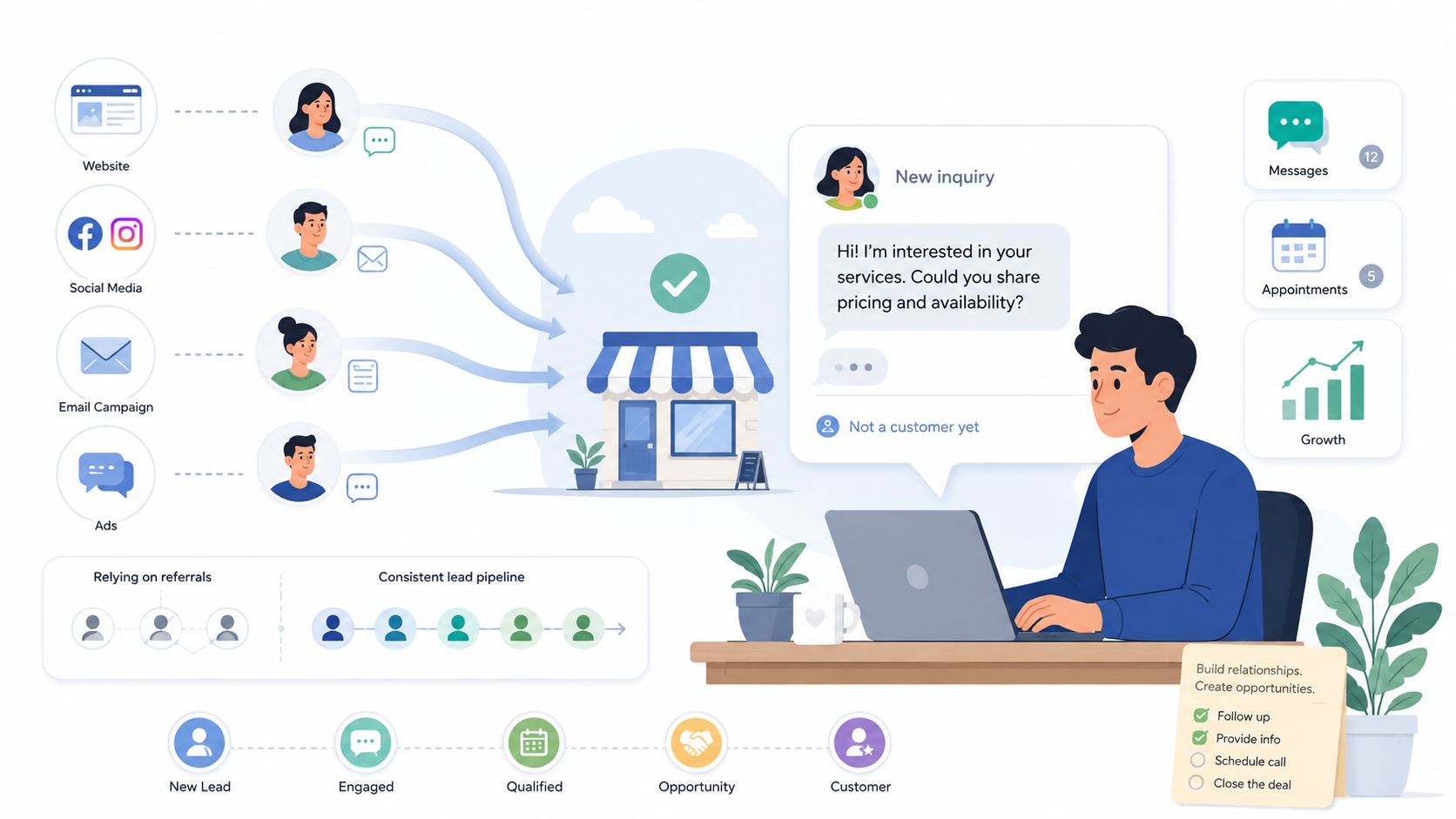
Many business owners hear the phrase lead generation and immediately think about expensive software, complicated advertising campaigns, or technical marketing strategies. The reality is much simpler. A lead is someone who shows interest in your product or service and gives you a chance to start a conversation.
Imagine a local service business owner who receives a message from someone asking about pricing, availability, or a specific solution. That person is not a customer yet, but they have already taken an important step. They have raised their hand and shown interest.
Lead generation is the process of creating more of those moments. It helps businesses build a steady flow of potential customers instead of depending only on referrals, seasonal demand, or unpredictable sales activity.
For small businesses, this process is especially important because every customer relationship matters. A larger company might lose a few opportunities without a major impact, but a small business can feel the difference between a quiet month and a successful month.
Why Small Businesses Struggle to Generate Quality Leads
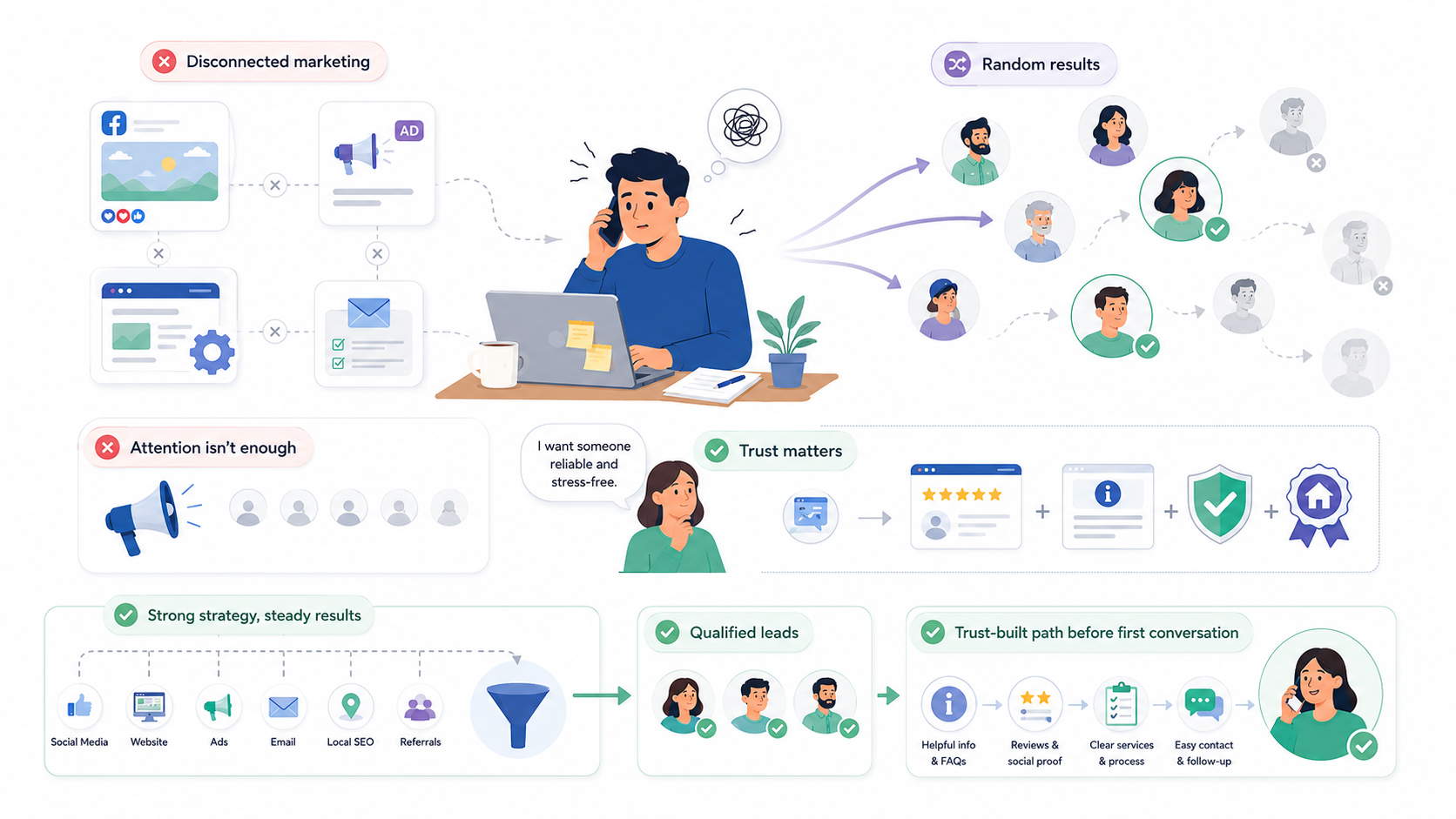
One of the biggest challenges small business owners face is not a lack of effort. Many work extremely hard, but their marketing activities are often disconnected. They may post on social media occasionally, run an advertisement once, or update their website without a clear plan behind those actions.
The problem is that random marketing creates random results. Without understanding who they want to reach and how those people make decisions, businesses often spend valuable time attracting people who are unlikely to become customers.
Another common issue is focusing only on getting attention instead of building trust. Modern customers usually research before they buy. They want to know whether a business understands their problem and whether they can rely on that company to deliver a good experience.
For example, a homeowner searching for a company to repair their property is not only looking for a service provider. They are looking for someone dependable, experienced, and capable of solving their problem without creating more stress.
A strong lead generation strategy addresses these concerns by helping businesses appear in the right places, share useful information, and create confidence before the first conversation happens.
Building a Strong Foundation Before Finding Leads
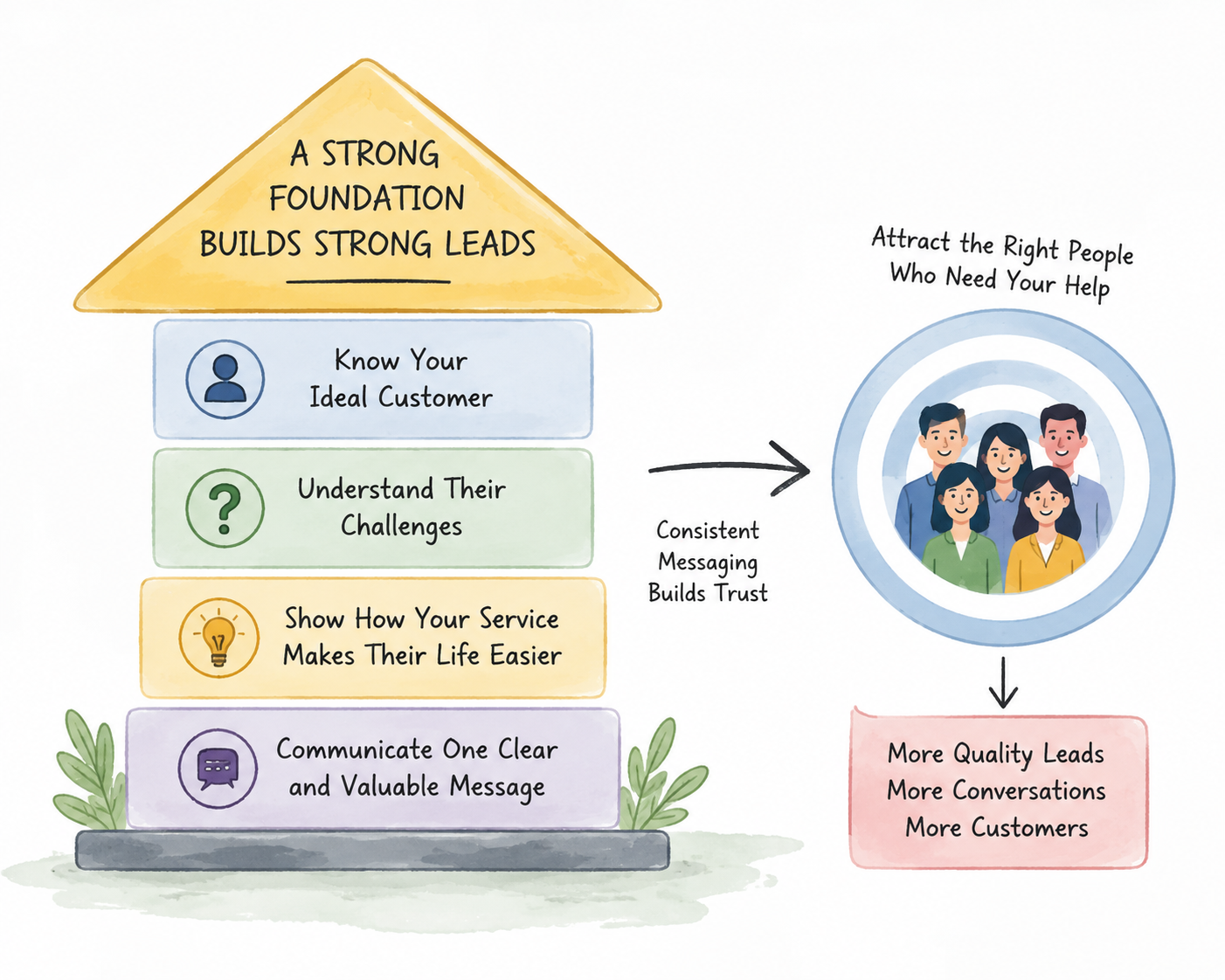
Before trying different marketing methods, a business needs a clear foundation. Successful lead generation starts with knowing exactly who you want to attract and why they should choose you.
A small business should be able to answer simple questions. Who is your ideal customer? What challenge are they facing? How does your service make their life easier or their business more successful?
When these answers are clear, marketing becomes much easier. Your website, advertisements, social media posts, and customer messages can all communicate the same valuable message.
Many businesses make the mistake of trying to appeal to everyone. While it sounds like a good idea, broad messaging often connects with nobody because it does not speak directly to a specific need.
A focused message feels more personal. When potential customers feel understood, they are more likely to trust the business and start a conversation.
The Role of a Website in Small Business Lead Generation
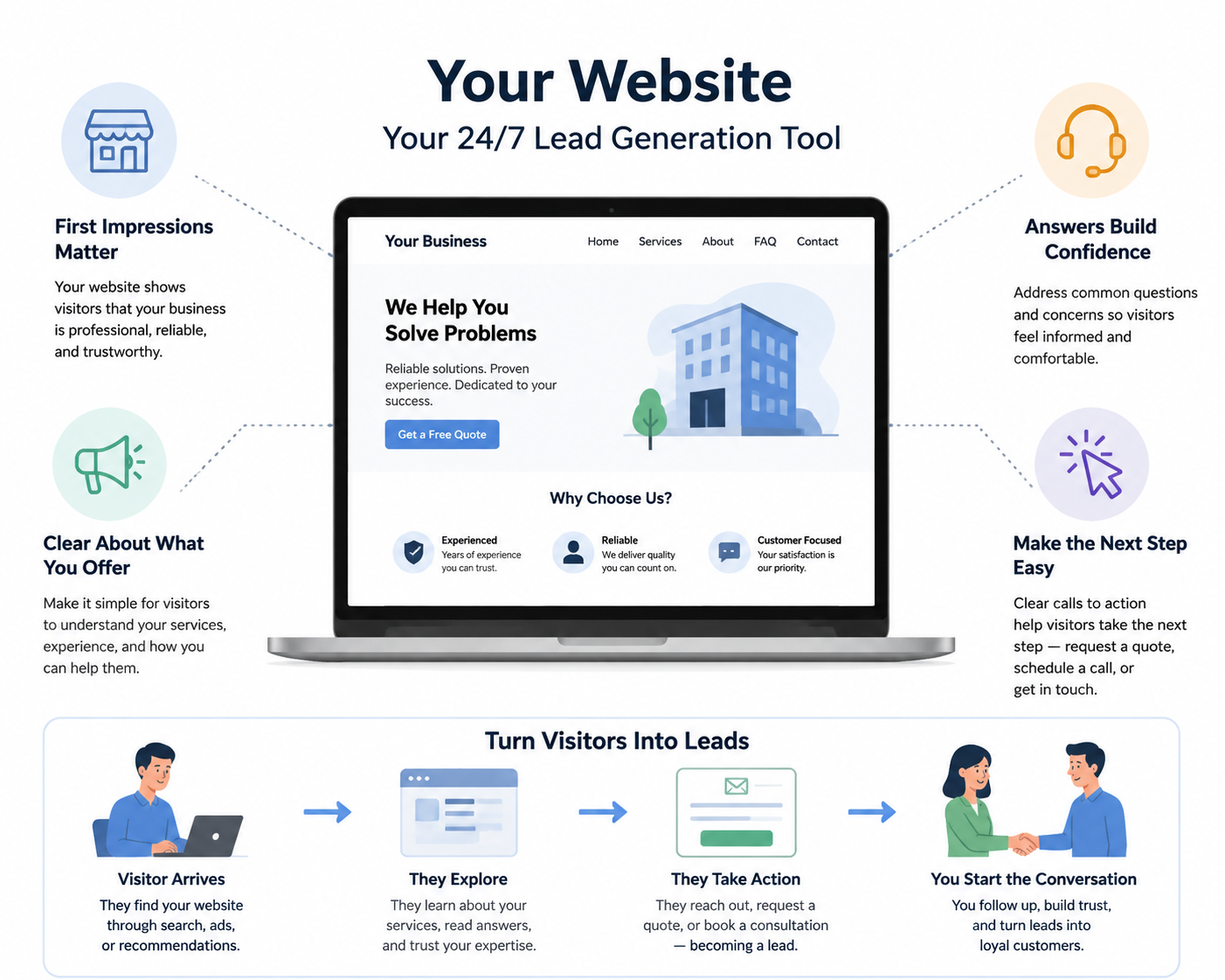
A website is often the first place potential customers learn about a business. For many people, visiting a website is similar to walking into a store for the first time. They are looking for signs that the business is professional, reliable, and capable.
A lead focused website should make it easy for visitors to understand what you offer. It should clearly explain your services, highlight your experience, answer common questions, and provide simple ways for people to contact you.
A website should not only exist online. It should work as a salesperson that provides information even when you are busy serving customers.
Strong websites usually include clear calls to action. This could be requesting a quote, scheduling a consultation, downloading helpful information, or contacting the business for more details.
The goal is not to pressure visitors into buying immediately. The goal is to make the next step simple and comfortable.
Creating Content That Attracts Potential Customers
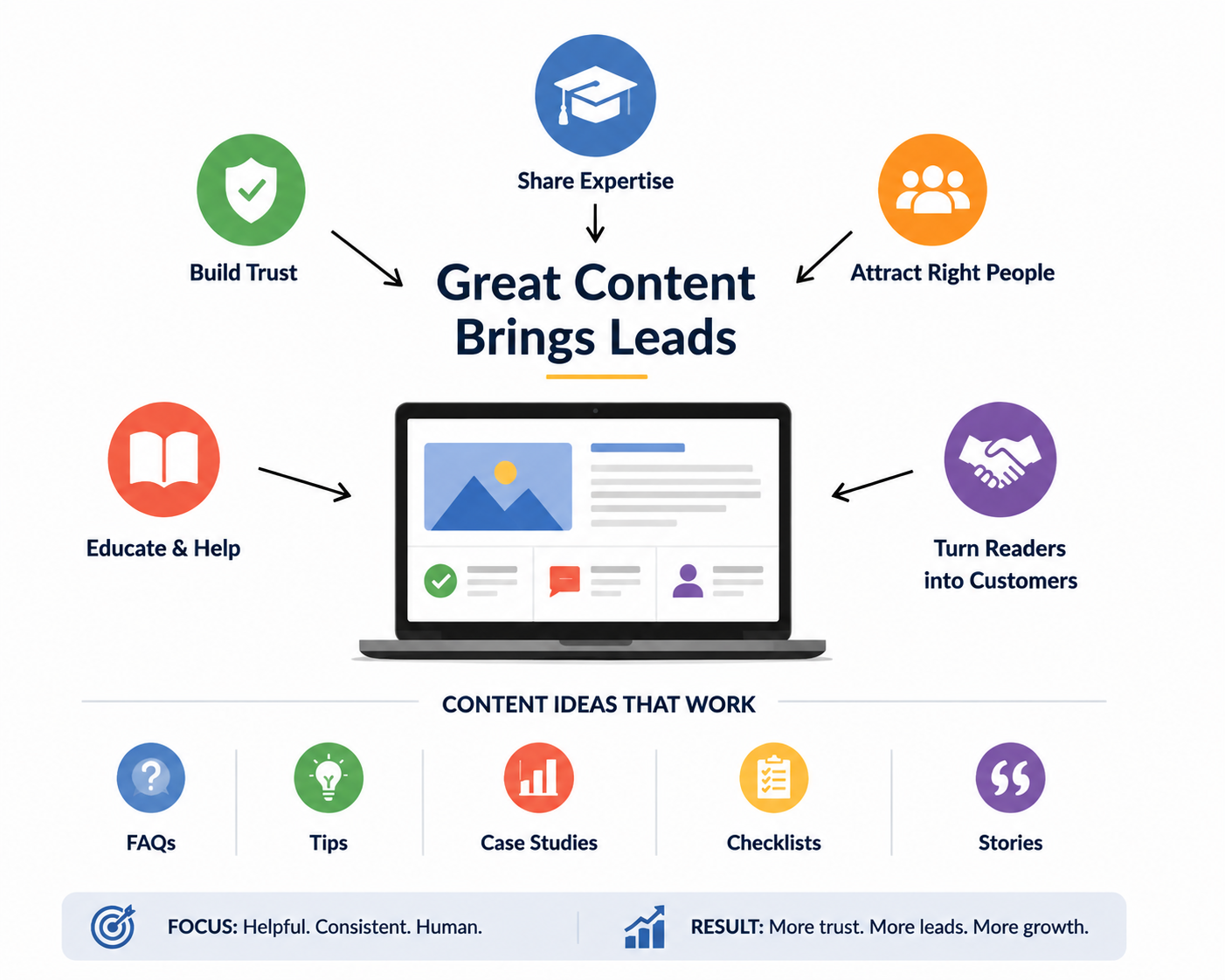
Content marketing is one of the most effective ways for small businesses to generate leads because it allows them to demonstrate knowledge before asking for a sale. Helpful content answers questions customers already have.
A business owner who shares useful advice can become a trusted resource in their industry. Over time, people begin to recognize that business as someone who understands their challenges.
For instance, a small accounting company could create content about common tax mistakes, financial planning tips, or ways businesses can organize their records. This type of content helps potential customers while also showing expertise.
Good content does not need to use complicated language. In fact, simple explanations often perform better because they are easier for people to understand and apply.
The most valuable content usually comes from real customer experiences. The questions your customers ask, the problems they face, and the solutions you provide can become excellent content ideas.
Using Search Engines to Bring in Interested Customers
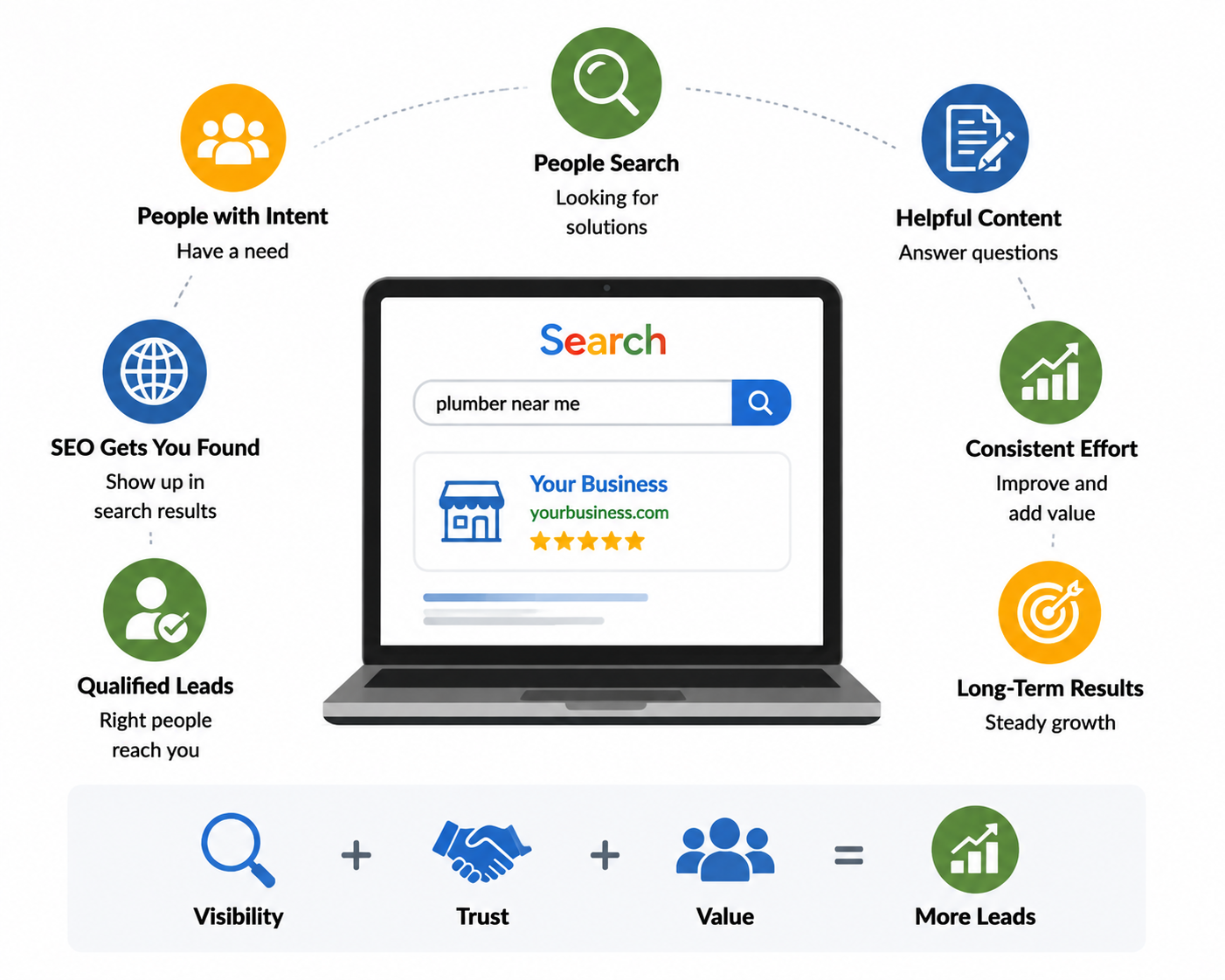
Many people turn to search engines when they need help. They search for solutions, compare options, and look for businesses they can trust.
Search engine optimization helps a small business appear when potential customers are actively looking for related services. Unlike some forms of advertising, search traffic often comes from people who already have a need.
A company that understands its customers can create pages and content around the questions those customers search for. This improves visibility and creates more opportunities to attract qualified leads.
SEO is not an overnight process. It requires consistent effort, quality content, technical improvements, and a focus on providing genuine value.
Businesses that approach SEO with patience often build a long term source of leads instead of depending entirely on paid advertising.
The Importance of Trust in Turning Leads Into Customers
Generating leads is only one part of business growth. The next challenge is converting those leads into paying customers.
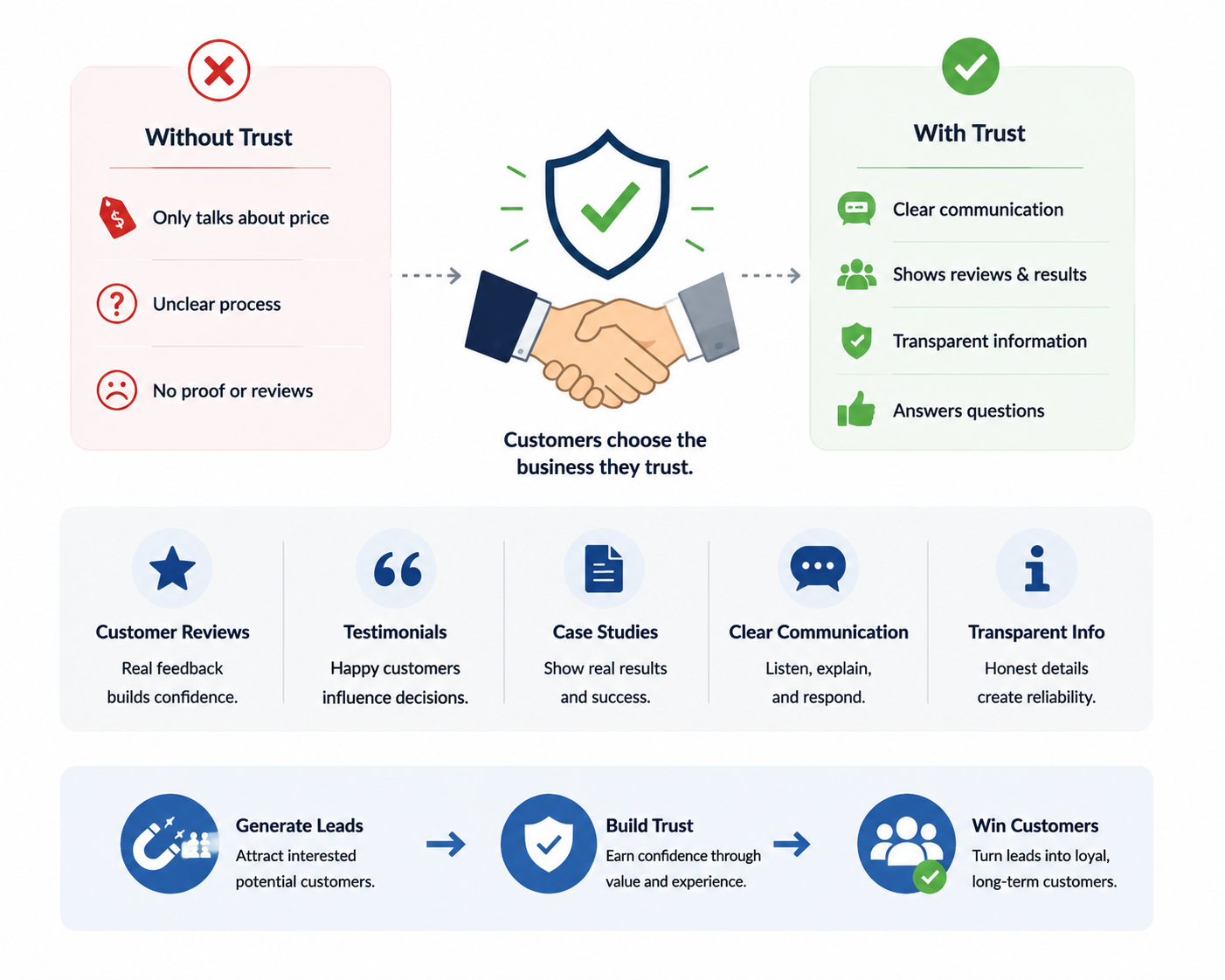
Trust plays a major role in that process. Customers want confidence that they are making the right decision, especially when spending money or choosing a service provider.
Small businesses can build trust through customer reviews, testimonials, case studies, professional communication, and transparent information.
Consider a business owner who receives two similar offers. One company provides a clear explanation of their process, shows customer feedback, and answers questions carefully. The other company only provides a price. Most customers will feel more comfortable choosing the first option.
Lead generation works best when it is connected to a strong customer experience. Every interaction should help potential customers feel that they are making a safe and informed choice.
Paid Advertising and Lead Generation
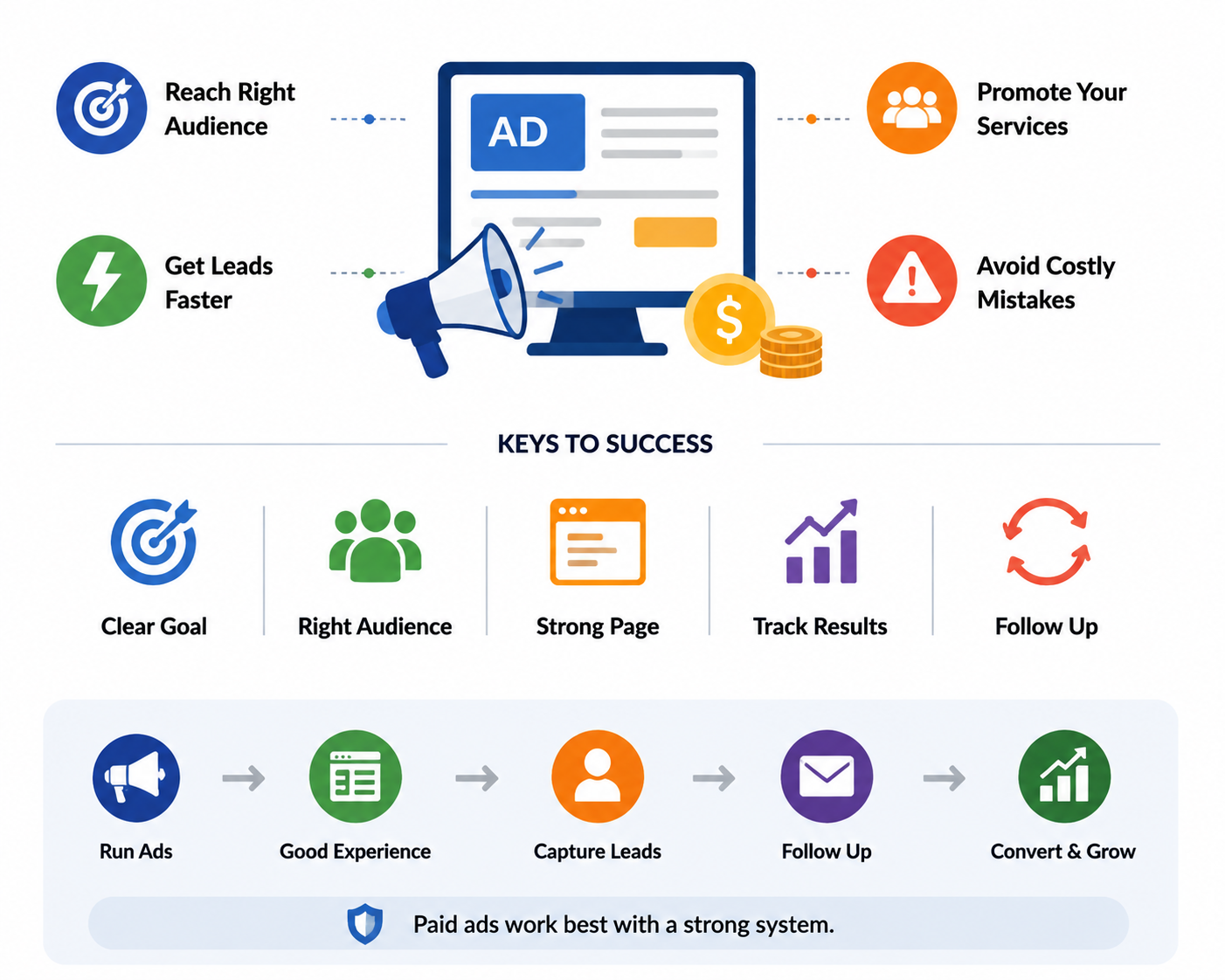
Paid advertising can be a powerful tool when used correctly. Platforms like search ads and social media advertising allow businesses to reach specific audiences and promote their services quickly.
However, advertising alone does not guarantee success. Many businesses waste money because they send visitors to weak pages, target the wrong audience, or fail to follow up with interested people.
A successful advertising campaign begins with a clear goal. The business should know whether it wants phone calls, quote requests, appointments, or another specific action.
Tracking results is also important. Business owners need to understand which campaigns bring valuable customers and which ones simply create activity without meaningful results.
Paid advertising should support a complete lead generation system, not replace the need for strong messaging, trust building, and customer service.
Following Up With Leads the Right Way
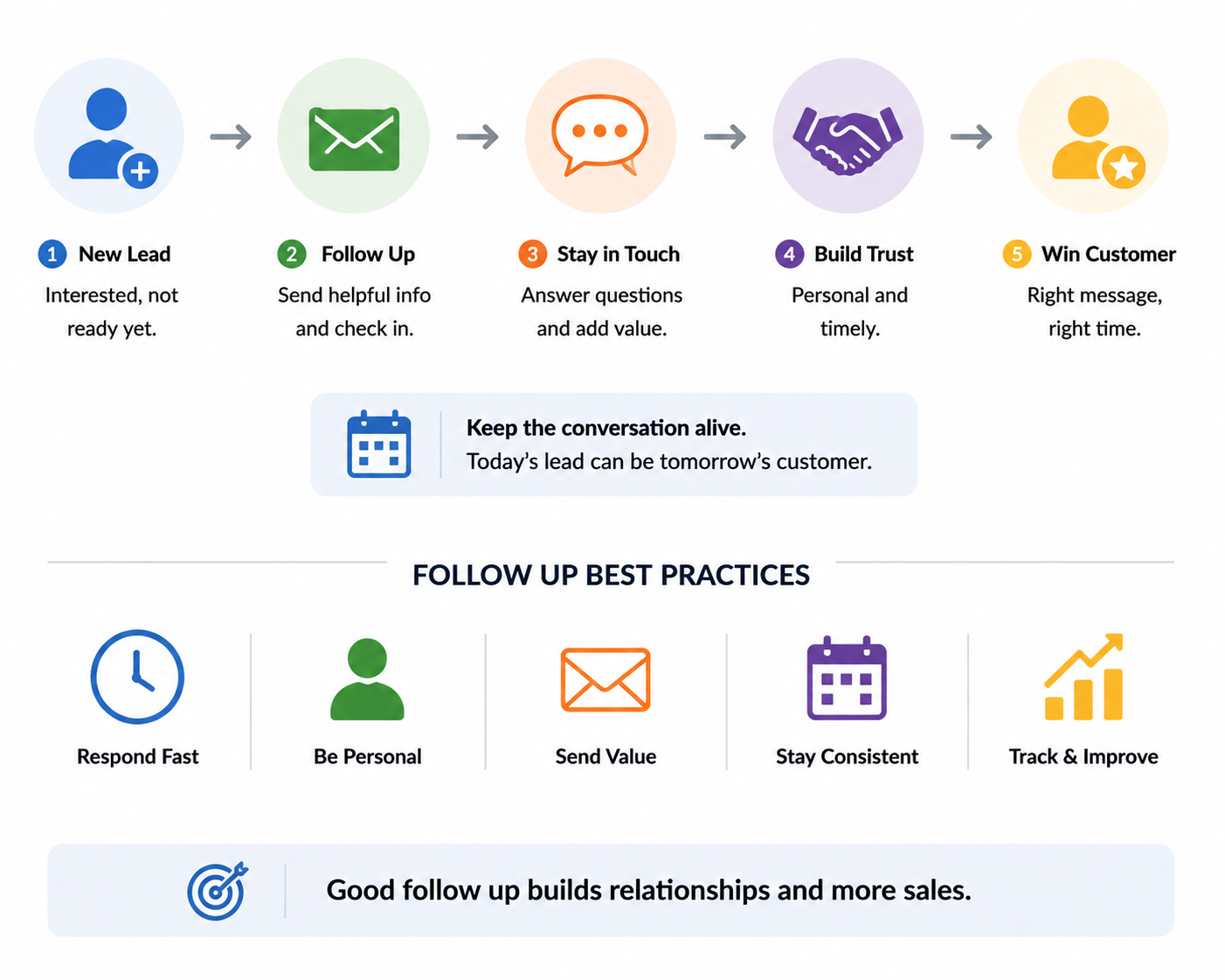
One area where many businesses lose opportunities is follow up. A potential customer may be interested but not ready to make a decision immediately.
A thoughtful follow up process keeps the conversation active without becoming annoying. It can include helpful emails, friendly reminders, additional information, or answers to questions the customer may have.
Small businesses often have an advantage here because they can provide a more personal experience. A quick response and genuine communication can make a major difference.
A lead that does not buy today may become a customer later. Consistent and professional follow up helps businesses stay connected until the timing is right.
Creating a Lead Generation System That Works Long Term
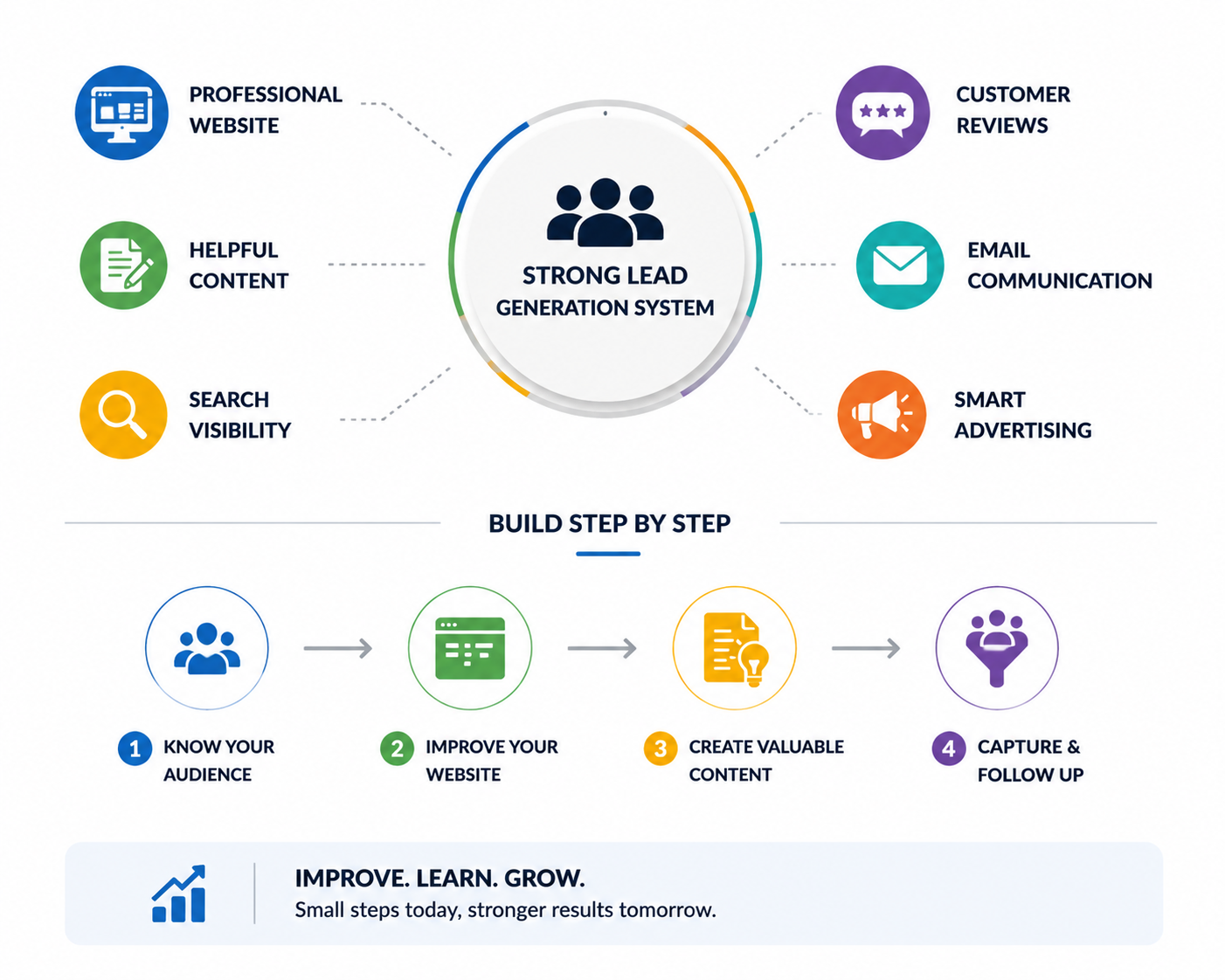
The strongest businesses do not depend on one single source of leads. They create multiple opportunities for customers to discover them.
A balanced system may include a professional website, helpful content, search visibility, customer reviews, email communication, and carefully managed advertising.
The goal is not to do everything at once. Small businesses should focus on building reliable systems step by step.
A practical approach is to start with the basics. Improve your website, understand your audience, create valuable content, and develop a simple process for capturing and following up with leads.
Over time, these improvements create momentum. Each new customer interaction provides more insight into what works and what can be improved.
How BizPartner 360 LLC Helps Small Businesses Generate Better Leads
At BizPartner 360 LLC, the focus is on helping businesses create practical growth systems that connect them with the right customers. Effective lead generation is not about using complicated strategies that business owners cannot manage. It is about understanding the market, improving visibility, and creating meaningful customer connections.
A professional approach combines strategy, content, website improvements, search visibility, and conversion focused thinking. Each business has different goals, so the best solutions are built around its unique situation.
Small business growth requires more than simply getting attention. It requires attracting people who need your services and helping them feel confident enough to choose your company.
With the right lead generation approach, small businesses can move away from unpredictable customer acquisition and build a more stable path toward growth.
Final Thoughts on Lead Generation for Small Business
Lead generation for small business is not a mystery reserved for large companies with huge marketing budgets. It is a practical process built on understanding customers, providing value, and creating opportunities for meaningful conversations.
The businesses that succeed are usually the ones that focus on consistency. They do not look for shortcuts. They build trust, improve their systems, and continue learning from their customers.
Every successful customer relationship begins with a first interaction. A well planned lead generation strategy helps create more of those valuable first moments and turns them into lasting business growth.

Arlo Bennett is a tech blogger and digital culture journalist who translates complex innovations into clear, compelling narratives.