Have you ever walked into a room and instantly felt at peace? Or maybe you've found yourself mentally rearranging spaces wherever you go? If you have a natural eye for design and dream of turning that passion into profit, starting your own interior design business might be the perfect path for you.
The interior design industry is booming, with the global market expected to reach $255 billion by 2025. More homeowners are investing in professional design services, and businesses recognize the value of well-designed spaces. This growth creates incredible opportunities for new designers to build successful, fulfilling careers.
In this guide, we'll walk you through every step of launching your interior design business – from understanding the basics to scaling your company. Whether you're a complete beginner or someone with design experience looking to go solo, we've got you covered with practical advice, real-world examples, and actionable steps you can take today.
Step 1: Understand the Basics
What Does Interior Design Really Mean?
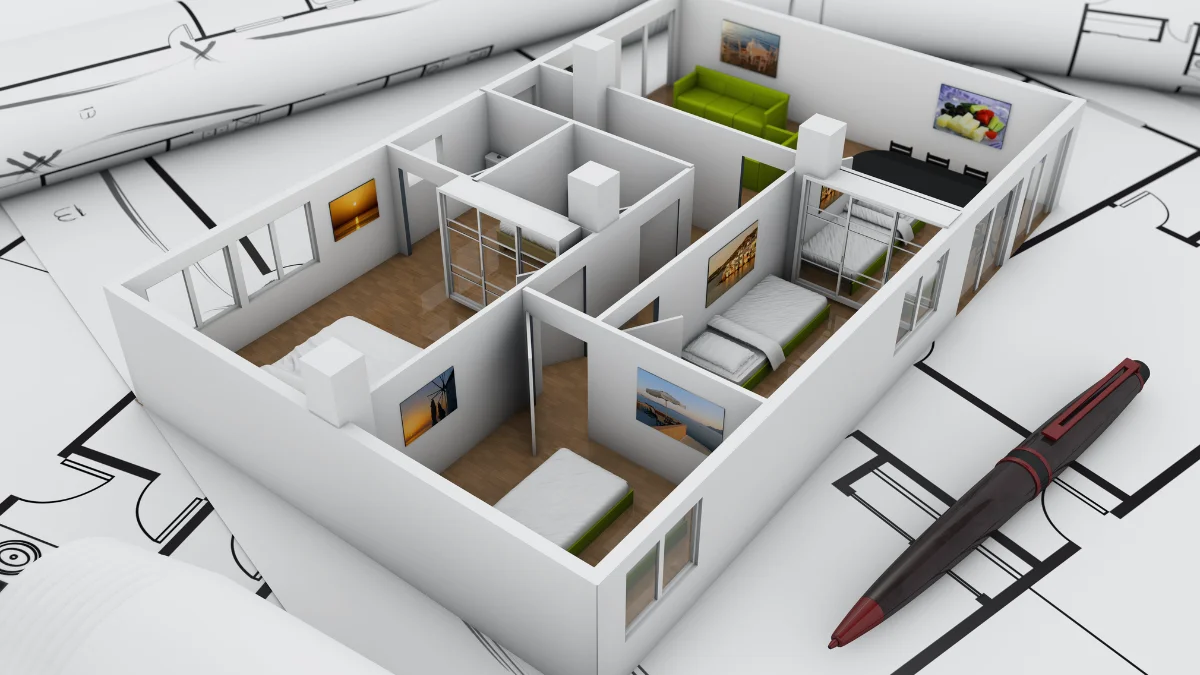
Interior design goes far beyond making spaces look pretty. You'll be solving problems, improving functionality, and creating environments that enhance people's lives. Interior designers work on residential homes, commercial offices, retail spaces, restaurants, and more.
Your daily tasks might include:
-
Meeting with clients to understand their needs and budget
-
Creating design concepts and mood boards
-
Selecting furniture, colors, and materials
-
Managing project timelines and budgets
-
Coordinating with contractors and suppliers
-
Ensuring designs meet safety codes and regulations
Essential Skills for Success
You don't need to be born with magical design powers to succeed. Here are the key skills you can develop:
Creative Skills:
-
Color theory and space planning
-
Understanding of design principles and styles
-
Ability to visualize and communicate ideas
Business Skills:
-
Client communication and relationship building
-
Project management and organization
-
Basic financial management
-
Marketing and networking
Technical Skills:
-
Basic knowledge of construction and building codes
-
Familiarity with design software (though many successful designers start with simple tools)
-
Understanding of lighting, textiles, and materials
The good news? You can learn these skills through online courses, workshops, or even YouTube tutorials. Many successful designers are self-taught or learned through hands-on experience.
Step 2: Create a Business Plan
Define Your Niche and Services
Before diving in, decide what type of interior design work excites you most. Specializing helps you stand out and command higher prices.
Popular niches include:
-
Residential design (homes, apartments)
-
Commercial design (offices, restaurants)
-
Sustainable/eco-friendly design
-
Small space optimization
-
Luxury design
-
Budget-friendly makeovers
Your services might include:
-
Full-room design and renovation management
-
Design consultations and advice
-
Space planning and furniture selection
-
Color consultations
-
Home staging for real estate sales
-
Virtual design services
Identify Your Target Audience
Who do you want to work with? Understanding your ideal client helps shape everything from your pricing to your marketing.
Consider factors like:
-
Income level and budget range
-
Lifestyle (busy professionals, growing families, retirees)
-
Design preferences (modern, traditional, eclectic)
-
Geographic location
Set Your Goals and Pricing
Be specific about what you want to achieve:
-
How many clients do you want per month?
-
What annual revenue are you targeting?
-
Do you want to work solo or build a team?
For pricing, research local competitors and consider these common models:
-
Hourly rates ($50-$200+ per hour)
-
Flat project fees
-
Percentage of total project cost (10-20%)
-
Retail markup on furniture and decor (25-50%)
Step 3: Estimate Startup Costs
Initial Investment Breakdown
Starting an interior design business doesn't require huge upfront costs, but planning your budget helps avoid surprises.
Essential Costs ($2,000-$5,000):
-
Business registration and licenses: $200-$800
-
Basic design software subscriptions: $20-$100/month
-
Professional camera for portfolio photos: $300-$800
-
Business cards and basic marketing materials: $200-$500
-
Website setup and hosting: $200-$1,000
-
Professional insurance: $500-$1,500/year
-
Basic office supplies and measuring tools: $200-$400
Optional but Helpful ($1,000-$3,000):
-
Interior design certification course: $500-$2,000
-
Advanced design software training: $200-$500
-
Professional photography for portfolio: $500-$1,500
-
Trade membership fees: $200-$500/year
-
Initial inventory of samples and materials: $300-$800
Growing Your Business ($2,000-$8,000):
-
Showroom or office space rent: $500-$2,000/month
-
Vehicle for client visits: varies
-
Employee costs: varies
-
Advanced marketing and advertising: $500-$2,000/month
-
Trade show participation: $1,000-$3,000/event
Money-Saving Tips
-
Start from home to avoid office rent initially
-
Use free design software like SketchUp or Canva for beginners
-
Partner with local suppliers for sample materials
-
Leverage social media for free marketing
-
Consider starting with virtual design services to reduce travel costs
Step 4: Build Your Brand

Choose the Right Business Name
Your business name should be memorable, professional, and reflect your style. Avoid overly trendy names that might feel dated in a few years.
Good examples:
-
Your name + "Interior Design" (Sarah Johnson Interior Design)
-
Descriptive names (Modern Living Spaces)
-
Creative but clear names (Blueprint Design Studio)
Check that your chosen name:
-
Isn't already taken by competitors
-
Has available social media handles
-
Can secure a matching domain name
Create a Visual Identity
Your logo and brand colors will appear on everything from business cards to your website. Keep it simple and professional.
You can:
-
Hire a freelance designer on platforms like Fiverr or Upwork ($50-$500)
-
Use online logo makers like Canva or Looka ($0-$100)
-
Create something simple yourself using free tools
Choose a color palette that reflects your design style and appeals to your target audience. Neutral colors with one accent color often work well for interior design brands.
Develop Your Brand Voice
How do you want to sound when communicating with clients? Your brand voice should match your personality and appeal to your target audience.
Examples:
-
Approachable and friendly: "Let's create a space you'll love coming home to!"
-
Sophisticated and professional: "Transforming spaces through thoughtful design."
-
Fun and energetic: "Making your dream space a reality, one room at a time!"
Step 5: Launch Your Website
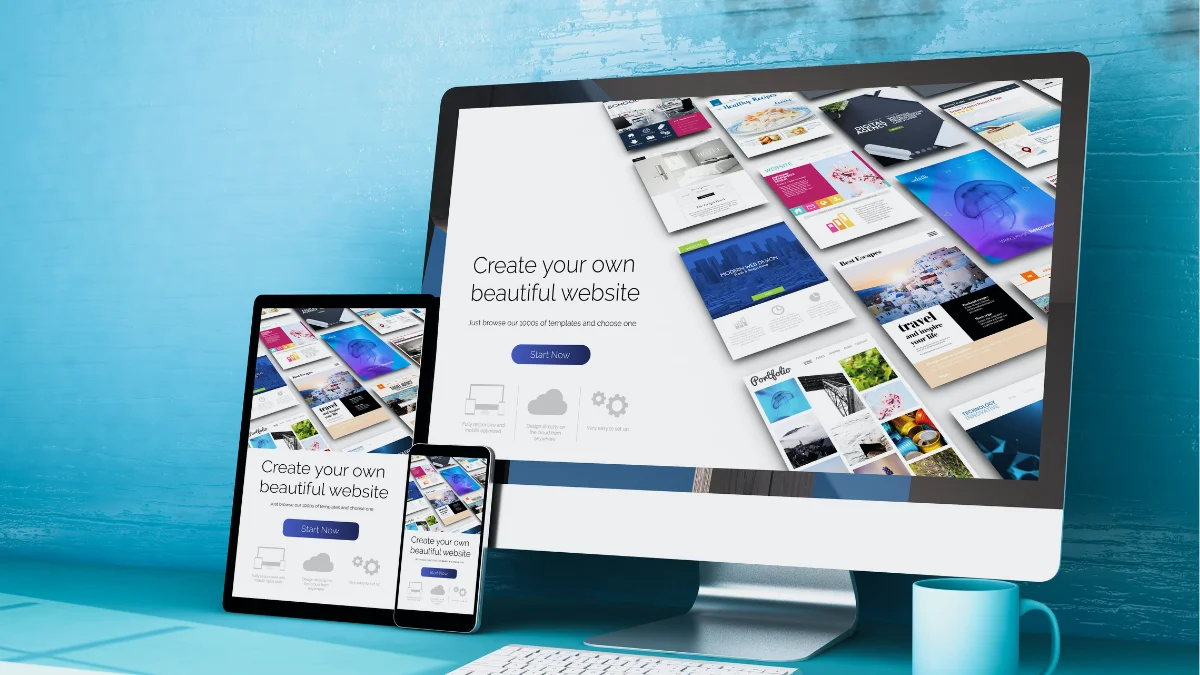
Why You Need a Website (Even as a Beginner)
Your website serves as your digital storefront, portfolio, and credibility booster. Potential clients will likely check out your website before deciding to contact you.
Essential Website Pages
Homepage: Introduce yourself and your services clearly. Include a compelling headline, brief description of what you do, and strong call-to-action button.
About Page: Share your story, experience, and design philosophy. People work with designers they like and trust, so let your personality shine through.
Services Page: Clearly explain what you offer and how you work. Include your design process and what clients can expect.
Portfolio/Gallery: Showcase your best work with high-quality photos. Even if you're just starting, include any relevant projects, even personal ones.
Contact Page: Make it easy for potential clients to reach you. Include contact form, phone number, email, and service area.
Blog (Optional but Helpful): Share design tips, trends, and project stories to show your expertise and improve search engine rankings.
Website Building Options for Non-Techies
DIY Website Builders (Easiest):
-
Squarespace: Beautiful templates, great for portfolios ($12-$40/month)
-
Wix: Drag-and-drop editor, lots of customization ($14-$39/month)
-
WordPress.com: Popular and flexible ($4-$45/month)
Professional Help:
-
Hire a web designer ($1,000-$5,000+)
-
Use Fiverr or Upwork for budget options ($200-$1,500)
Website Must-Haves
-
Mobile-friendly design (most people browse on phones)
-
Fast loading speed
-
High-quality images (invest in good photography)
-
Clear contact information
-
Professional email address (yourname@yourbusiness.com)
-
Search engine optimization basics (use relevant keywords)
Step 6: Market Your Business

Start with Free Marketing Strategies
Social Media Marketing:
Instagram and Pinterest are perfect for showcasing visual work. Post regularly and use relevant hashtags like #interiordesign, #homedecor, and location-based tags.
Content ideas:
-
Before and after photos
-
Design tips and tricks
-
Behind-the-scenes content
-
Client testimonials
-
Design inspiration
Networking:
-
Join local business groups and chambers of commerce
-
Attend home and garden shows
-
Connect with real estate agents, contractors, and architects
-
Partner with furniture stores and home improvement businesses
Content Marketing:
Start a blog or create video content sharing design advice. This positions you as an expert and helps with search engine rankings.
Paid Marketing Options
Google Ads: Target people searching for interior designers in your area ($200-$1,000+/month budget recommended).
Facebook and Instagram Ads: Great for showcasing your visual work to targeted audiences ($100-$500+/month).
Local Advertising:
-
Sponsor local events or charity functions
-
Advertise in home and lifestyle magazines
-
Partner with complementary businesses for cross-promotion
Building Client Relationships
Ask for Referrals: Happy clients are your best marketing tool. Don't be shy about asking satisfied customers to recommend you to friends.
Collect Testimonials: Request written reviews and testimonials for your website and marketing materials.
Follow Up: Stay in touch with past clients. They might need additional services or refer new customers.
Step 7: Grow Your Business

Expand Your Service Offerings
Once you're established, consider adding new services:
-
Home staging for real estate
-
Virtual design consultations
-
Design workshops and classes
-
Furniture and decor retail
-
Project management for contractors
Build Strategic Partnerships
Collaborate with professionals who serve similar clients:
-
Real estate agents who can refer home buyers
-
Contractors who need design expertise
-
Architects working on new construction
-
Furniture stores looking for design partners
-
Home stagers who might overflow work to you
Invest in Professional Development
Continue Learning:
-
Take advanced design courses
-
Attend trade shows and design markets
-
Join professional organizations like ASID or IIDA
-
Stay updated on design trends and technologies
Upgrade Your Tools:
-
Invest in professional design software like AutoCAD or SketchUp Pro
-
Get better photography equipment or hire professional photographers
-
Upgrade your sample library and presentation materials
Scale Your Operations
Hire Help:
-
Virtual assistants for administrative tasks
-
Junior designers to handle smaller projects
-
Photographers for project documentation
-
Bookkeepers to manage finances
Systemize Your Business:
-
Create standard contracts and proposal templates
-
Develop project management systems
-
Set up automated client communication
-
Track key business metrics
Monitor Your Success
Keep track of important numbers:
-
Monthly revenue and profit
-
Number of new clients
-
Average project value
-
Client satisfaction scores
-
Website traffic and social media growth
Regular review helps you identify what's working and what needs improvement.
Conclusion
Starting an interior design business might seem overwhelming, but remember – every successful designer started exactly where you are now. The key is taking that first step and learning as you go.
You don't need to have everything perfect from day one. Start with what you have, focus on delivering great results for your first clients, and gradually build your business over time.
The interior design industry needs fresh talent and new perspectives. Your unique style and approach could be exactly what your local market is missing.
Your next steps:
-
Choose your niche and define your target audience
-
Create a simple business plan
-
Register your business and set up basic systems
-
Build a simple website and start showcasing your work
-
Reach out to your network and start marketing your services
Remember, the best time to start was yesterday – the second best time is today. Your dream of running a successful interior design business is absolutely achievable with the right planning, dedication, and willingness to learn.

Steven Alex is a passionate blogger with over 10 years of experience driving online growth and visibility.